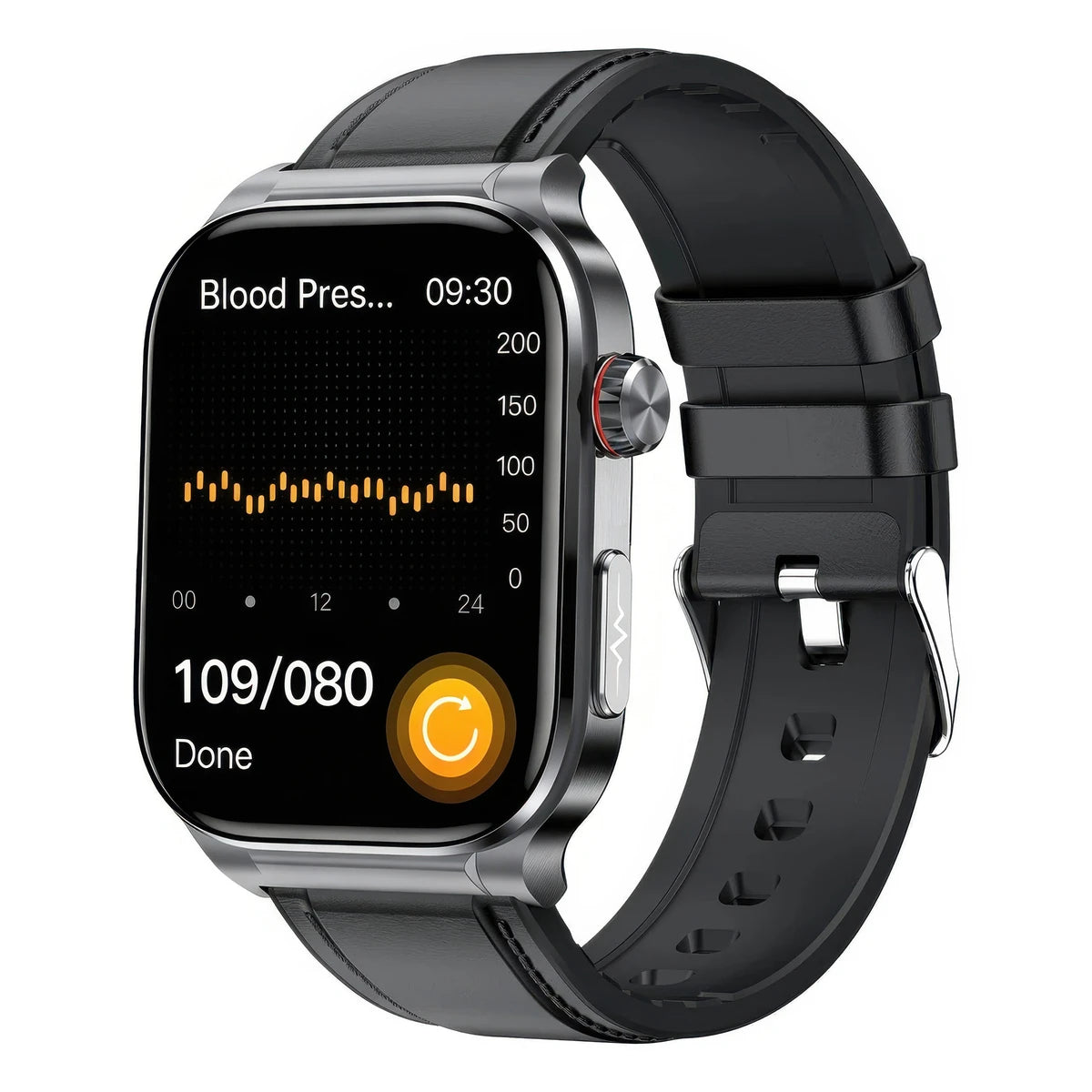
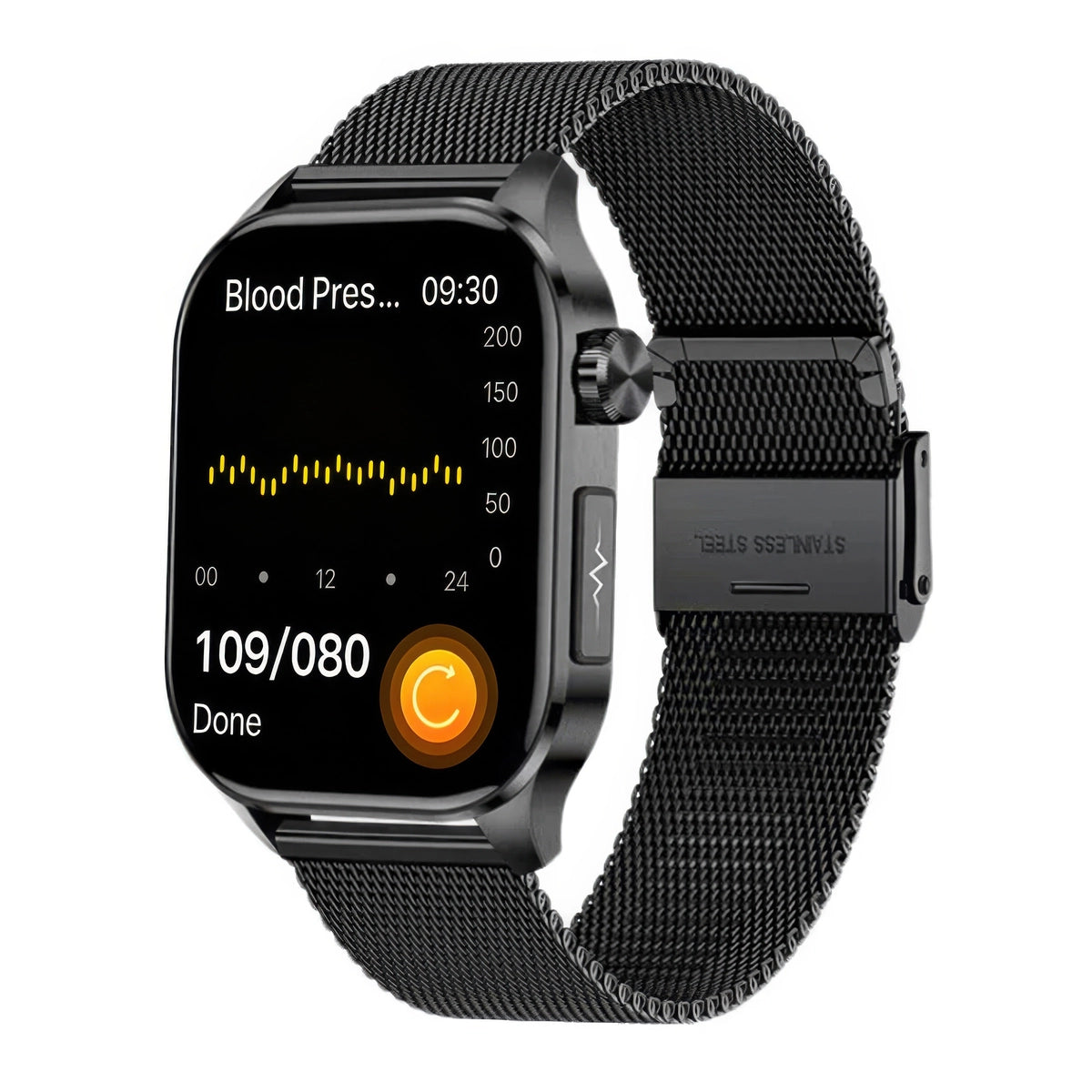
How do smartwatches measure blood pressure?
Most smartwatches do not work like a traditional upper arm blood pressure cuff. A standard cuff inflates, applies pressure to the arm, and estimates systolic and diastolic pressure from blood flow changes.
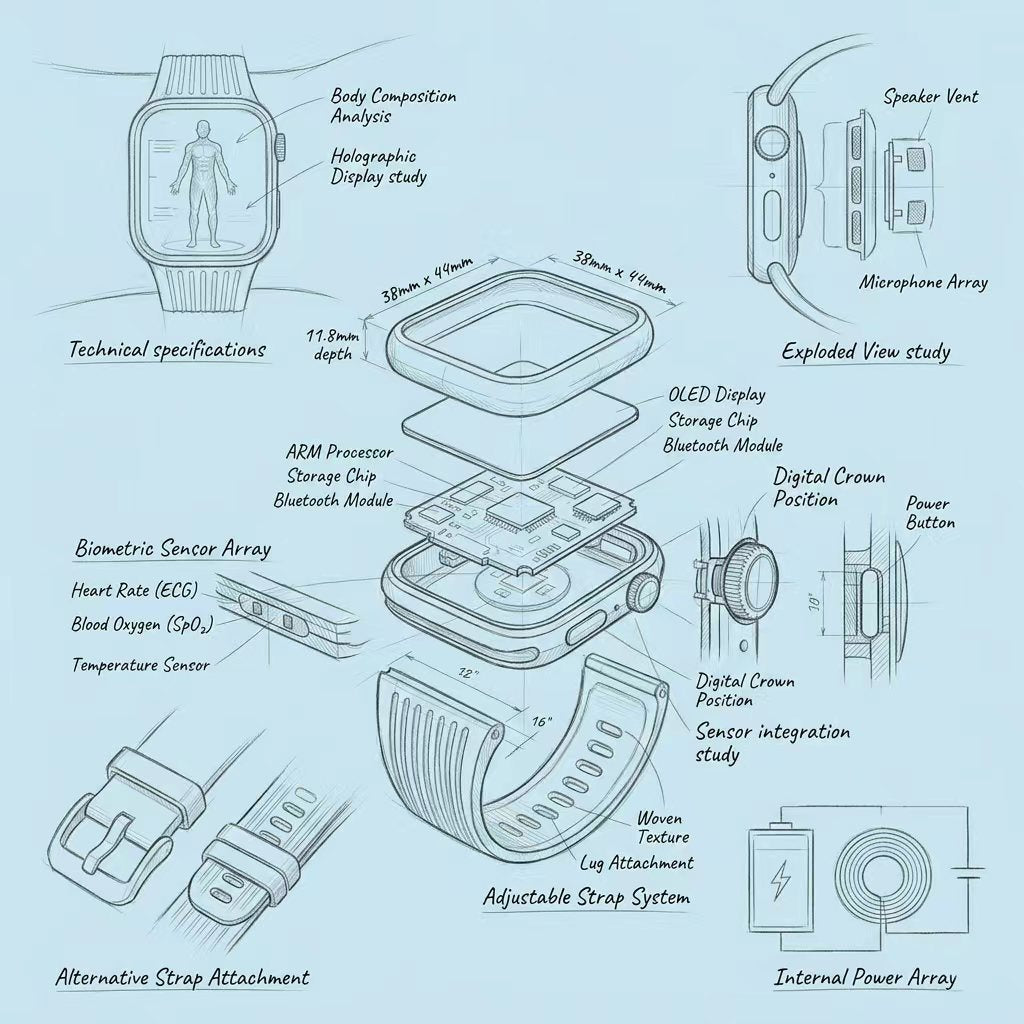
Many smartwatches use optical sensors on the wrist. These sensors look at signals related to blood flow and heart activity. Some systems use those signals together with calibration from a cuff. Other watches use algorithms to estimate trends from the wrist.
That is why two watches can both mention blood pressure but work very differently. One may show a blood pressure reference reading. Another may only help you follow possible changes over time. Another may require a companion app and regular calibration.
Before buying, read the product page carefully. Look for wording such as blood pressure reference, calibration, companion app, supported phone system and wellness tracking.
How accurate are smartwatches for blood pressure?
This is one of the most common questions people search. The careful answer is: smartwatch blood pressure readings can vary by model, sensor quality, calibration, wrist fit, body movement and how the watch is worn.
Wrist position matters. Strap tightness matters. Movement matters. Skin contact matters. Even standard home blood pressure devices can vary if they are used incorrectly, so a wrist based smartwatch needs even more careful expectations.
For daily wellness, a blood pressure smartwatch can be helpful for noticing general trends. For health decisions, use standard blood pressure equipment and professional guidance.
Avoid choosing a watch only because it claims to be the most accurate. Choose based on clear product information, comfort, app support, battery life and the health features you actually need.
Blood pressure watch vs blood pressure cuff
A blood pressure cuff is still the better choice when you need a dedicated blood pressure reading. It is made specifically for that purpose.
A blood pressure watch is more convenient. It is on your wrist, and it can also track heart rate, activity, sleep and other wellness data. That makes it useful for daily reference, especially if you want health information in one place.
Here is the simple difference:
|
Device
|
Best for
|
Main limitation
|
| Standard blood pressure cuff |
Dedicated blood pressure checks |
Not always convenient to carry or use often |
| Blood pressure smartwatch |
Daily wellness reference and trend tracking |
Should not replace standard equipment |
| Health smartwatch without BP numbers |
Heart rate, sleep, activity and general wellness |
May not show blood pressure readings |
If blood pressure is your main concern, keep a standard cuff available. If you want daily wellness tracking from the wrist, a blood pressure watch can still be useful.