How to Choose a Smartwatch for Health Tracking

How to choose a smartwatch for health tracking
How to Choose a Smartwatch for Health Tracking
June 15, 2026

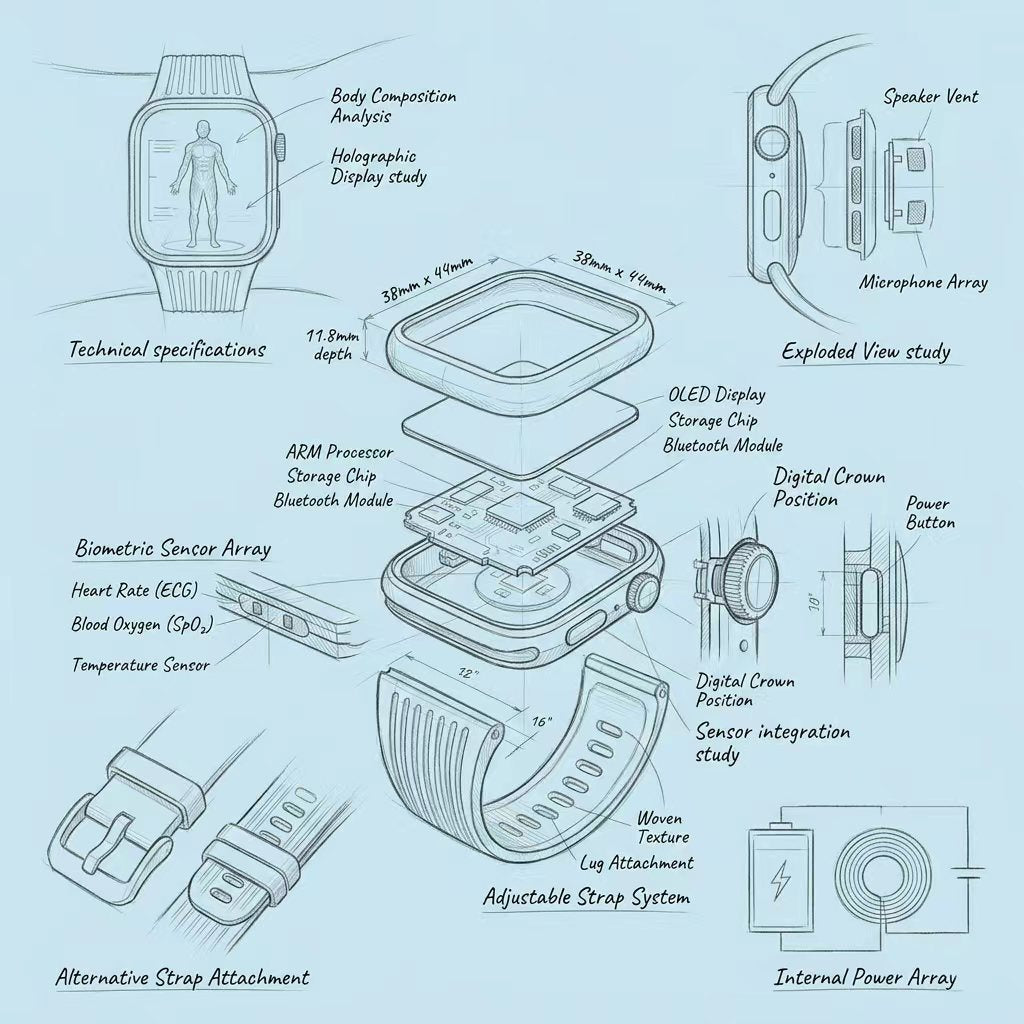
Buying a smartwatch for health tracking sounds easy until you compare a few models. One watch tracks steps and heart rate. Another adds sleep, SpO2, ECG/EKG, blood pressure reference, blood glucose reference, HRV, body temperature, activity tracking and SOS alerts.

That is where most people get stuck. More features can be useful, but more does not always mean better. The best smartwatch for health tracking is the one that fits your daily routine, your phone, your comfort level and the health data you actually want to check.

If you only want steps and workouts, a fitness tracker watch may be enough. If you want one device for activity, sleep, heart rate and extra wellness reference features, a health tracking smartwatch makes more sense.

Quick Answer

For most buyers, start with these features: heart rate, sleep tracking, activity tracking, SpO2, good battery life, a clear screen and an app that works with your phone.

After that, decide whether you need extra reference features such as blood pressure, ECG/EKG, blood glucose, HRV, body temperature or SOS alerts. These can be helpful, but they are best used as wellness reference data, not as a replacement for standard health equipment.

Quick buying checklist

If you care most about Look for Good collection to compare
Daily wellness Heart rate, sleep, SpO2, activity, app support Health Smart Watches
Workouts and movement Steps, calories, workout modes, heart rate, comfort Fitness Smart Watches
Heart rate Easy heart rate display, activity and rest trends Heart Rate Watches
Blood pressure reference Blood pressure reference plus heart rate and sleep Blood Pressure Watches
ECG/EKG reference ECG/EKG, heart rate, sleep, SpO2 ECG Watches
Blood oxygen trends SpO2, sleep, heart rate, activity SpO2 Watches
Older users Clear screen, simple controls, comfort, SOS if needed Watches for Seniors
Blood sugar related reference Blood glucose reference plus daily wellness features Blood Glucose Watches

Heart rate tracking should be easy to check

A smartwatch with heart rate monitor features is useful for workouts, walking, daily activity and rest trends. It is one of the first features to check because it supports many other parts of health tracking. For workouts, the watch should show heart rate clearly while you move. For daily wellness, it should make resting heart rate and recent trends easy to view. If the screen is small or the menu is confusing, the feature will not get used much. This matters even more if the watch is for a parent or older family member. A clear display is not a small detail. It decides whether the watch feels helpful or annoying.

Sleep tracking depends on comfort

A smartwatch for sleep tracking needs to be comfortable first. If the watch is too bulky, too tight or too heavy, it will probably end up charging on a table instead of tracking sleep on your wrist. Sleep tracking can help users follow sleep time, nightly routines and changes in rest patterns. It works best when you wear the watch consistently, not only once in a while. Battery life also matters. If the watch needs to charge every night, sleep tracking becomes harder to use. Look for a model that can handle your normal day and still have enough battery for the night.

Fitness tracker watch or health smartwatch

A fitness tracker watch is a good choice if your main goal is steps, calories, workout time and basic activity data. It is usually simple and light. A health smartwatch is better if you want a larger screen, more health related features, phone notifications and easier access to several types of wellness data. For many buyers, the choice comes down to this: choose a fitness tracker if you mostly care about movement. Choose a smartwatch if you want movement plus heart rate, sleep, SpO2, blood pressure reference, ECG/EKG reference or other daily wellness features.

SpO2 adds another daily wellness trend

SpO2 tracking gives you blood oxygen related wellness data from the wrist. It can be useful when paired with sleep, heart rate and activity tracking. Do not compare SpO2 from a smartwatch with standard oxygen testing equipment. Use it as a general wellness reference. If you feel unwell or see unusual readings, use proper equipment and speak with a qualified healthcare professional. For normal daily use, SpO2 is most helpful when you look at patterns over time.

Blood pressure reference is popular, but expectations matter

Blood pressure watch keywords have strong search demand, so this is clearly a feature many buyers care about. Some smartwatches include blood pressure reference features, usually alongside heart rate, sleep, activity and other wellness tracking. The important part is expectation. A smartwatch is different from standard blood pressure equipment. It can help you keep blood pressure related wellness information in one place, but it should not be used by itself for health decisions. If blood pressure is a main reason you are buying, read the product page carefully. Make sure the model clearly includes blood pressure reference, then compare it with the other features you need.

ECG/EKG reference is for users who want more heart related data

An ECG smartwatch is usually for people who want more heart related reference data than basic heart rate tracking. It can be useful if you want to follow heart related wellness trends as part of your daily routine. When comparing ECG/EKG watches, check the full feature set. Many buyers prefer a model that combines ECG/EKG reference with heart rate, sleep, SpO2, blood pressure reference, HRV and activity tracking. ECG/EKG data from a smartwatch is for general wellness reference. It does not replace professional testing or advice from a qualified healthcare professional.

Blood glucose reference should be handled carefully

Some health smart watches include blood glucose reference or blood sugar related wellness features. These features can be useful for people who want more daily health data in one watch. They should be handled carefully. A smartwatch is not the same as standard glucose testing equipment. If you need glucose information for health decisions, use proper equipment and follow professional guidance. For a smartwatch, the main value is convenience. It can keep blood glucose reference together with heart rate, sleep, SpO2, activity and other daily wellness data.

Choosing a smartwatch for seniors

A smartwatch for seniors should be easy to read, simple to operate and comfortable enough for daily wear. The most advanced model is not always the best choice for an older user. Look for a clear screen, simple menus, a comfortable strap and practical features. Heart rate, sleep, SpO2, activity tracking, blood pressure reference, blood glucose reference and SOS alerts can all be useful, depending on the person. If you are buying for a parent or family member, choose the watch they are most likely to wear every day. That matters more than choosing the model with the longest feature list.

Check phone compatibility

Compatibility is easy to overlook. Some watches work with both Android and iPhone, but certain features may depend on the companion app, Bluetooth connection or phone system.

Before buying, check app support, notification features, call functions, language settings and how health data is shown. If the watch is for an older user, setup should be simple.

This is one of the easiest problems to avoid. Check it before the watch arrives.


Battery life and comfort

Health tracking only works if the watch stays on your wrist. Battery life, comfort, strap feel, screen brightness and size all affect daily use.

If sleep tracking matters, choose a watch that can last through the day and night. If workouts matter, choose a strap that feels secure. If the watch is for seniors, choose a display that is easy to read.

A smartwatch should make daily health data easier to follow. It should not feel like another device you have to manage.


Quick buying guide by need

If you want one watch for daily wellness, start with Health Smart Watches . Look for heart rate, sleep, SpO2, activity tracking and the extra reference features you care about.

If fitness is your main goal, compare Fitness Smart Watches . Focus on steps, calories, workout tracking, heart rate, comfort and battery life.

If blood pressure reference is important, compare Blood Pressure Watches and read each product page carefully.

If heart related features matter most, compare ECG Watches and Heart Rate Watches .

If you are buying for a parent or older family member, start with Watches for Seniors and choose a model with a clear screen and simple controls.


What a smartwatch cannot replace

A smartwatch is useful for daily wellness tracking, but it is still a consumer device. It can help you follow trends, build better routines and keep health related data easy to view.

It should not replace standard health equipment, professional testing or advice from a qualified healthcare professional. If a reading looks unusual, or if you feel unwell, use proper equipment and get professional help.

That expectation makes the watch more useful. You can use it for daily reference without asking it to do a job it was not made to do.


Final advice

Choose the smartwatch that matches your routine. Start with heart rate, sleep, activity, SpO2, comfort, battery life and app support. Then decide whether you need blood pressure reference, ECG/EKG reference, blood glucose reference, HRV, body temperature or SOS alerts.

The best smartwatch for health tracking is the one you keep wearing. If it is comfortable, easy to read and simple to use, it has a much better chance of becoming part of your day.

Frequently asked questions

What is the best smartwatch for health tracking?

The best smartwatch for health tracking depends on what you want to follow every day. Most users should start with heart rate, sleep tracking, activity tracking, SpO2, good battery life and app support. If you want more wellness reference features, compare models with blood pressure reference, ECG/EKG reference, blood glucose reference, HRV and SOS alerts.

Start with heart rate, sleep, activity and SpO2. Then decide whether you need extra features such as blood pressure reference, ECG/EKG reference, blood glucose reference, HRV, body temperature or SOS alerts.

A fitness tracker watch is enough if you mainly want steps, calories, workout data and basic sleep tracking. A smartwatch is better if you want a larger screen, more health features, phone notifications and daily wellness data in one device.

Some smartwatches include blood pressure reference features, but they should not replace standard blood pressure equipment. Use smartwatch data as general wellness reference only.

Yes, many smartwatches include sleep tracking. Choose a watch that is comfortable enough to wear overnight and has enough battery life for day and night use.

ECG/EKG reference can be useful if you want more heart related wellness data than basic heart rate tracking. If heart tracking is important to you, compare ECG Watches and Heart Rate Watches before choosing.

They can be useful for seniors when the watch has a clear screen, simple controls, a comfortable strap and practical wellness features. Look for heart rate, sleep, SpO2, activity tracking, blood pressure reference, blood glucose reference and SOS alerts if those features are needed.

No. Smartwatch readings are for general wellness, fitness and lifestyle reference. They should not replace standard health equipment, professional testing or advice from a qualified healthcare professional.

Start with Health Smart Watches if you want an all around wellness watch. Compare Fitness Smart Watches for workouts and activity, Blood Pressure Watches for blood pressure reference, ECG Watches for ECG/EKG reference, SpO2 Watches for blood oxygen related trends, and Watches for Seniors for easier daily use.